The Vatican is not only the heart of the Catholic Church but also one of the greatest repositories of art and architecture in the world. Every corner of Vatican City reflects centuries of history, artistic revolutions, and architectural experimentation. From ancient structures to Renaissance masterpieces, the architecture of the Vatican offers a fascinating journey through time and styles.
What style of architecture is the Vatican?
The Vatican does not belong to a single architectural style. Instead, it is a complex tapestry of styles layered one upon another. Visitors can find traces of early Christian basilicas, Romanesque influences, Renaissance grandeur, and Baroque theatricality. The Renaissance period, however, is the dominant force in Vatican architecture, thanks to the ambitious projects of the Popes during the 15th and 16th centuries. Monumental spaces, harmonious proportions, and the rediscovery of classical forms characterize much of the city-state’s most iconic landmarks.
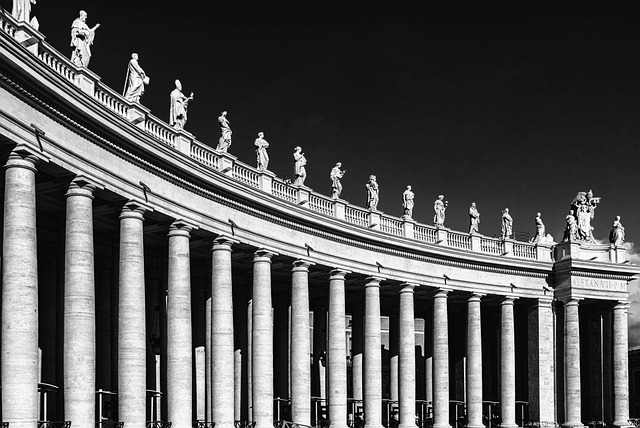
The Baroque era also left its mark, particularly in St. Peter’s Square, designed by Gian Lorenzo Bernini, where sweeping colonnades embrace pilgrims in a grand gesture of welcome. Together, these styles make the Vatican an extraordinary example of how architecture can embody both spiritual meaning and artistic innovation.
What style of architecture is the Sistine Chapel?
The Sistine Chapel, known worldwide for Michelangelo’s frescoes, is primarily an example of Renaissance architecture. Built between 1473 and 1481 under Pope Sixtus IV, the chapel is a rectangular brick building with a rather plain exterior. The focus is on the interior, where the proportions reflect ancient Roman architecture. The barrel-vaulted ceiling provided Michelangelo the canvas for his revolutionary fresco cycle, completed between 1508 and 1512.
Although modest in external appearance, the interior makes the Sistine Chapel one of the most important monuments of Renaissance art and architecture. Its design was influenced by early Christian basilicas, yet its function as the papal chapel gave it a symbolic weight that transcends stylistic categories.
Is the Vatican gothic architecture?
The Vatican is not primarily associated with Gothic architecture. Gothic style, characterized by pointed arches, ribbed vaults, and flying buttresses, dominated European cathedrals from the 12th to the 15th century. By the time the major projects in the Vatican were underway, Renaissance ideals had already replaced Gothic traditions.
However, some early structures in Rome, as well as influences from other parts of Europe, carried Gothic elements. For example, the old St. Peter’s Basilica, which stood until the Renaissance reconstruction, had elements influenced by medieval styles. Still, the Vatican’s identity rests more strongly in Renaissance and Baroque architecture than in Gothic.
Who is the architect of the Vatican?
It is impossible to credit the Vatican to a single architect. Over the centuries, many of the greatest minds in architecture contributed to shaping its appearance. Donato Bramante was the first chief architect of the new St. Peter’s Basilica in the early 1500s, laying the foundation for what would become the most important church in Christendom. Michelangelo later took over, dramatically altering Bramante’s original plan and designing the iconic dome.
Raphael also played a role in Vatican architectural projects, though he is better remembered for his frescoes. Later, Carlo Maderno extended St. Peter’s Basilica with a new façade, while Gian Lorenzo Bernini brought Baroque brilliance to the Vatican with his colonnades and interior decorations. In short, the Vatican is the collective work of generations of visionary architects and artists.
What are the three significant buildings in the Vatican city?
Three buildings stand out as essential when discussing Vatican architecture.
The first is St. Peter’s Basilica, the largest church in the world and the centerpiece of Catholicism. Its grand dome, towering over the city, is an unmistakable symbol of Rome and the Vatican.
The second is the Sistine Chapel, famous for its architecture but even more for the breathtaking frescoes by Michelangelo and other Renaissance masters. It remains the site of papal conclaves, where new popes are elected.
The third is the Apostolic Palace, the papal residence that includes the Vatican Museums and the Raphael Rooms. These spaces not only serve as the Pope’s home but also house some of the most important collections of art and cultural heritage in the world.
Famous architecture in Vatican City
Beyond the three most important buildings, the Vatican is full of remarkable architectural wonders. The Vatican Museums themselves include galleries designed to highlight ancient sculptures, Renaissance paintings, and Baroque decorations. The Belvedere Courtyard, designed by Bramante, revolutionized the way art collections were displayed.
Bernini’s St. Peter’s Square, with its elliptical colonnades, is one of the most famous public spaces in the world, perfectly combining functionality and symbolism. The Vatican Gardens, though less known to the public, also reveal centuries of landscape architecture, blending fountains, sculptures, and carefully planned greenery. Together, these sites make Vatican City a living museum of architecture and design.