The Jubilee Year is in full swing, and Rome is once again the beating heart of spiritual pilgrimage and cultural discovery. Since December 24, 2024 — when Pope Francis opened the Holy Door of St. Peter’s Basilica — millions of visitors have arrived from all over the world to walk through the Holy Doors, follow pilgrimage routes, and reconnect with history, faith, and beauty.
Whether you’re here now or planning your trip for the coming months, this guide offers an overview of the top Jubilee events, Rome’s must-see attractions, and practical travel tips — including why booking a private guided tour is the smartest way to explore the Eternal City during this extraordinary time.
What is the Jubilee Year?
A Jubilee Year, or Anno Santo, is a special time of grace and renewal in the Catholic Church, traditionally celebrated every 25 years. It offers believers a chance to begin again — spiritually and emotionally — by crossing the Holy Doors of Rome’s four major basilicas: St. Peter’s, St. John Lateran, St. Mary Major, and St. Paul Outside the Walls.
This year’s theme, “Pilgrims of Hope,” reflects a universal message: everyone is invited to walk through the city, whether in faith, curiosity, or wonder. The Jubilee transforms Rome into a space of connection — between people, cultures, and centuries of human experience.
Highlights of Jubilee 2025 in Rome
The Holy Doors Are Open
Pilgrims from every corner of the globe are lining up each day to walk through the Holy Doors, an act that symbolizes spiritual rebirth. While St. Peter’s Basilica is the most visited, each of the four basilicas holds its own unique energy and story — and many visitors choose to walk the routes connecting them, as a modern-day pilgrimage.
Special Jubilee 2025 Events
Rome is currently hosting themed Jubilee weeks dedicated to different communities: youth, families, healthcare workers, artists, prisoners, and more. These events include outdoor Masses, conferences, music, and cultural programs designed to celebrate the human spirit in all its diversity.
If you’re in town during one of these weeks, you’ll find the city alive with gatherings and liturgical moments — from quiet reflection to full-scale public events.
Cultural Festivities Across the City
The Jubilee isn’t only a religious moment. Rome has responded with a vibrant calendar of cultural happenings: free concerts, art exhibitions, nighttime museum openings, and open-air food events. Many museums and galleries offer extended hours, and the city’s piazzas buzz with music and movement every evening.
What to See During the Jubilee Year
Rome’s timeless landmarks take on new meaning during the Jubilee. While some are central to the religious celebration, others offer a broader view of the city’s cultural and historical wealth.
St. Peter’s Basilica and Vatican City
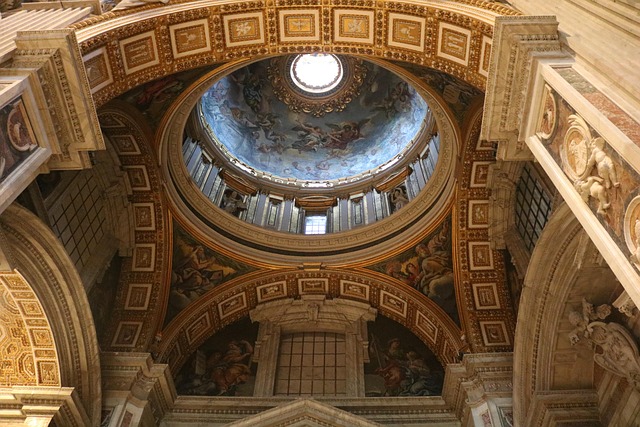
Now more than ever, the Vatican is at the center of world attention. Climbing the dome of St. Peter’s remains a breathtaking experience — and standing inside the basilica, beneath Michelangelo’s Pietà, is deeply moving during this special year.
The Vatican Museums and the Sistine Chapel are especially popular right now, and timed access is essential. For a more relaxed experience, many travelers are choosing private early-morning or after-hours tours to avoid the crowds and enjoy in-depth explanations from expert guides.
The Four Papal Basilicas
Each basilica has opened its Holy Door and welcomes pilgrims daily. St. John Lateran is the cathedral of Rome, with imposing interiors and rich history. St. Mary Major is famous for its golden mosaics and peaceful chapels. St. Paul Outside the Walls — slightly outside the city center — offers a quieter, contemplative atmosphere, especially welcome amid the Jubilee’s excitement.
Walking between the basilicas, either partially or completely, follows the traditional pilgrimage routes and reveals layers of Rome many visitors miss — from hidden churches and fountains to artisan bakeries and fresco-filled cloisters.
Ancient Rome: Colosseum and Roman Forum
While not directly linked to the Jubilee, the Colosseum and Forum remain top destinations — and are easily combined with a visit to nearby churches like San Clemente, which layers a medieval basilica over a fourth-century shrine and a Roman house beneath.
This part of Rome is ideal for a private walking tour that blends archaeology, religion, and urban legends — revealing just how intertwined faith and empire have always been.
The Historic Center: Pantheon, Trevi Fountain, and More
Wander into the historic heart of the city and you’ll stumble upon icons at every turn: the Pantheon’s majestic dome, the glittering waters of Trevi Fountain, the Spanish Steps bathed in spring sunlight.
These sites are breathtaking on their own — but with context from a knowledgeable guide, they become unforgettable. Learn how the ancient gods gave way to Christian martyrs, or how Renaissance artists reinterpreted the sacred for a new era.
Trastevere and the Jewish Ghetto
To explore Rome beyond the postcards, spend time in Trastevere or the Jewish Ghetto. These neighborhoods are quieter than the Vatican area and offer an authentic view of daily life in the city — think ivy-covered buildings, local wine bars, ancient synagogues, and open markets full of color.
Many visitors combine these areas in private itineraries that mix history, food, and storytelling — a powerful way to slow down and absorb the city’s rhythm.