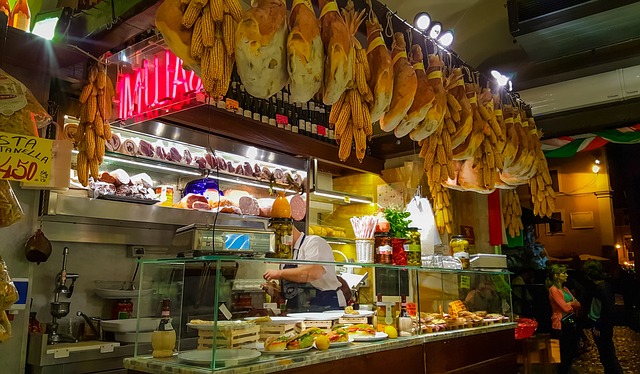
Rome is more than just an open-air museum of ancient wonders — it’s a living, breathing feast for the senses. Beyond the Colosseum’s arches and the Vatican’s masterpieces lies another kind of heritage: one made of flavors, aromas, and centuries-old culinary traditions. To truly experience the Eternal City, you must taste it. And the best way to do that is by joining one of the many Rome food tours that take you deep into its authentic gastronomic soul.
From bustling markets and family-run trattorias to hidden bakeries and enotecas, food tours in Rome offer a delicious journey through time, culture, and community. Whether you’re a first-time visitor or a returning traveler, a culinary adventure is the perfect way to explore the city’s history through its most irresistible stories — the ones told over a plate of pasta or a glass of wine.
Why Join a Food Tour in Rome
You might think you can discover Rome’s food scene by yourself — and technically, you can. But a guided food tour turns every bite into an experience. You’ll walk through neighborhoods that Romans actually live in, meet passionate artisans who guard ancient recipes, and learn how every dish connects to history, geography, and family tradition.
Most tours last between three and four hours and include generous tastings — so don’t eat before you go! Local guides often bring small groups to the most beloved spots, where tourists rarely step in, ensuring an intimate and authentic experience. Whether you’re wandering through Trastevere’s cobblestone alleys, exploring the Campo de’ Fiori market, or discovering Testaccio, considered the birthplace of Roman cuisine, you’ll taste the real Rome — one bite at a time.
The Top Neighborhoods for Food Tours in Rome
Trastevere: The Soul of Roman Cuisine
If Rome were a dish, Trastevere would be its most flavorful ingredient. This bohemian district, filled with ivy-covered walls and the hum of laughter from trattorias, is a must for food lovers. A Trastevere food tour often starts with a glass of local wine and a sampling of Roman street food like supplì al telefono — crispy rice croquettes with a melting heart of mozzarella.
As the evening unfolds, you might taste carciofi alla giudia (Jewish-style artichokes), cacio e pepe (pasta with Pecorino Romano and black pepper), and amatriciana cooked the traditional way. Many tours end with a stop in an artisanal gelateria, where flavors like pistacchio di Bronte or stracciatella become an art form.
Trastevere’s culinary scene captures the essence of Roman hospitality: informal, passionate, and deeply rooted in family traditions.
Testaccio: The Birthplace of Roman Food Culture
For a more local and less touristy experience, Testaccio is the neighborhood to explore. Once home to Rome’s main slaughterhouse, this area has been feeding the city for centuries. It’s where many of the city’s classic dishes were born, including trippa alla romana and coda alla vaccinara.
A Testaccio market tour offers a fascinating blend of old and new. Inside the covered market, stalls serve freshly prepared dishes alongside farmers selling seasonal produce. You might start with pizza bianca filled with mortadella, then move on to homemade pasta, cheese tastings, and local olive oils.
Testaccio’s authenticity makes it ideal for travelers looking to connect with Rome’s working-class culinary heritage — still thriving today in its bakeries, delis, and osterias.
Campo de’ Fiori: History Served Fresh Daily
In the heart of Rome, Campo de’ Fiori is one of the oldest markets in the city. Every morning, the square transforms into a colorful festival of fresh fruits, vegetables, spices, and cheeses. A Campo de’ Fiori food tour is perfect for those who want to experience the rhythm of Roman daily life.
Guides often introduce visitors to pecorino romano, porchetta, and freshly baked forno bread. You’ll also discover how Roman cuisine relies on simplicity: few ingredients, perfectly balanced. From there, the tour might continue into nearby streets lined with ancient wine bars and salumerie where you can sip local wines from Lazio paired with regional charcuterie.
This is the Rome that locals love — lively, proud, and deliciously real.
Jewish Ghetto: Where History and Flavor Meet
The Jewish Ghetto of Rome is not only one of the city’s most atmospheric areas but also a cornerstone of its culinary identity. Centuries of tradition have shaped unique dishes that blend Roman and Jewish flavors in surprising ways.
A Jewish Ghetto food tour often features carciofi alla giudia, fried artichokes that have become a symbol of the area, and filetto di baccalà — crispy fried cod served hot and wrapped in paper. Sweet endings usually include crostatina di visciole, a cherry tart that has delighted generations.
Exploring the Ghetto means understanding how food preserves memory, resilience, and identity. It’s one of the most meaningful experiences for any visitor with an appetite for culture as well as cuisine.