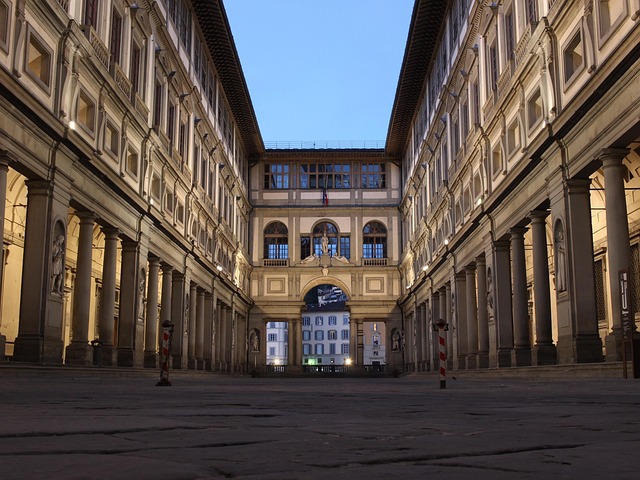
Florence — the heart of the Renaissance, the cradle of creativity, and a city where every corner seems to tell a story. But if there’s one place where the soul of this artistic heritage truly lives and breathes, it’s the Uffizi Gallery. Located just steps away from the Piazza della Signoria and overlooking the Arno River, this world-famous museum is more than just a collection of paintings — it’s a journey through centuries of genius, emotion, and human expression.
Whether you’re an art lover, a history enthusiast, or a traveler looking for a memorable experience in Florence, spending a day at the Uffizi is an absolute must. With hundreds of rooms and thousands of artworks, the gallery can feel overwhelming at first. That’s why we’ve put together this guide to help you focus on five must-see masterpieces that define the spirit of the Uffizi Gallery — and, in many ways, the entire story of Italian art.
The Birth of Venus – Sandro Botticelli
If there’s one painting that captures the magic of the Renaissance, it’s Botticelli’s The Birth of Venus. This breathtaking masterpiece, painted in the 1480s, depicts the goddess Venus emerging from the sea on a giant shell — a symbol of beauty, love, and divine creation.
Standing before this painting is a moment of pure wonder. The delicate movement of Venus’ hair, the soft pastel tones, and the graceful flow of the figures draw you into a dreamlike world where mythology meets human emotion. Botticelli’s work marked a revolutionary turn in art — away from strict religious themes and toward a celebration of natural beauty and classical mythology.
Travel Tip: The Birth of Venus is one of the most photographed artworks in the museum, so it’s best to visit early in the morning or later in the afternoon if you want to admire it in peace. And don’t forget to look just next to it — Botticelli’s Primavera (Spring) is another masterpiece that perfectly complements Venus’s ethereal charm.
The Annunciation – Leonardo da Vinci
Few names carry as much weight in the art world as Leonardo da Vinci, and his Annunciation is a stunning example of his early genius. Painted when Leonardo was just in his early twenties, this artwork shows the Angel Gabriel announcing to Mary that she will give birth to the Son of God.
The calm serenity of the scene hides Leonardo’s incredible technical mastery. Look closely at the angel’s wings — inspired by Leonardo’s studies of bird anatomy — and the breathtaking depth created by his use of light and perspective. You can almost feel the gentle breeze that moves through the Tuscan garden.
This painting also marks one of the earliest examples of Leonardo’s fascination with nature, science, and the human spirit — elements that would later define his career.
Did you know? Leonardo’s Annunciation was once attributed to another artist before experts confirmed it was his. Today, it stands as one of the key highlights of any Uffizi Gallery tour.
The Medusa – Caravaggio
From divine grace to raw emotion, the Uffizi takes you on a dramatic journey through art history — and no artist embodies drama quite like Caravaggio. His Medusa, painted around 1597, is a masterpiece that almost jumps off the canvas… or rather, the shield.
Depicting the mythological Gorgon’s severed head, Caravaggio’s Medusa is both terrifying and mesmerizing. The eyes seem to follow you, the mouth frozen in a silent scream, and every drop of blood rendered with chilling realism. The artist painted it on a convex shield, creating an illusion of movement and depth that’s still shocking centuries later.
Caravaggio’s ability to blend intense emotion with technical precision made him one of the most revolutionary figures of the Baroque period. His works changed the way artists understood light, shadow, and storytelling — and Medusaremains one of the most striking examples of his genius.
Doni Tondo – Michelangelo Buonarroti
It’s impossible to talk about the Renaissance without mentioning Michelangelo, and though he’s best known for his sculptures and the Sistine Chapel, his Doni Tondo at the Uffizi is a rare chance to see his talent on canvas.
The circular painting — known as a tondo — was created around 1506 for the wealthy Doni family of Florence. It portrays the Holy Family surrounded by figures symbolizing humanity’s journey from the pagan past to Christian salvation. Every muscle, every gesture, every color in the Doni Tondo reveals Michelangelo’s sculptural mindset — it feels as though the figures could step out of the frame at any moment.
The bold use of color and the dynamic composition inspired generations of artists, including Raphael, who studied Michelangelo’s style to develop his own. Today, the Doni Tondo stands as one of the few surviving panel paintings by Michelangelo and a must-see for anyone passionate about Renaissance art in Florence.