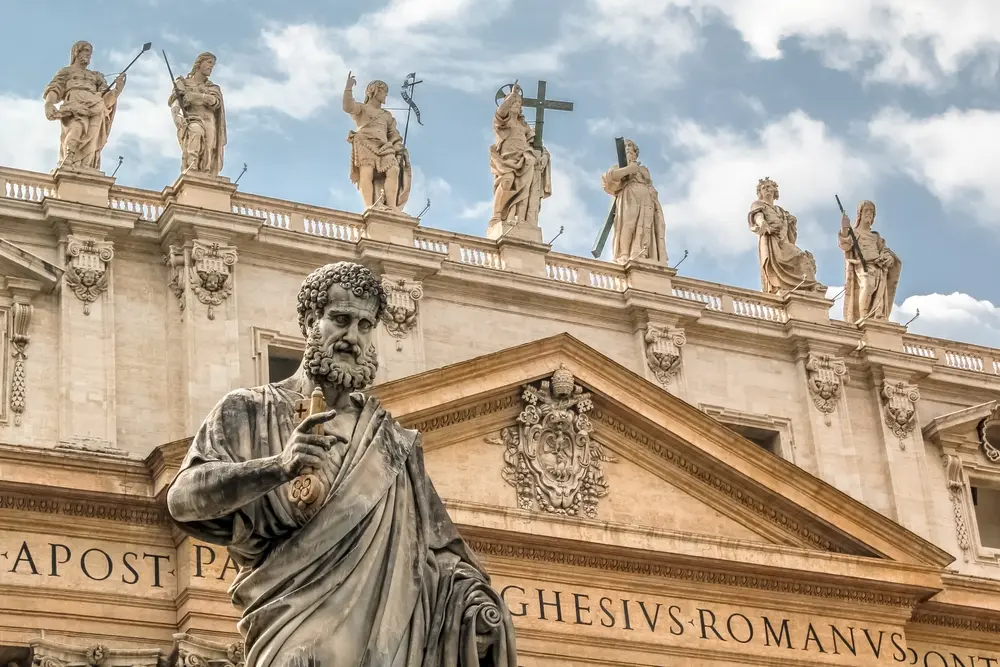
A visit to the Vatican Museums is one of the most unforgettable experiences you can have in Rome. Located inside Vatican City, these extraordinary museums preserve one of the largest and most important art collections in the world, with masterpieces that span thousands of years of history. From ancient Roman sculptures to Renaissance frescoes, every room tells a story about art, religion, culture and the people who shaped European history.
Many travellers wonder what to see at the Vatican Museums, how long it takes to visit them and which masterpieces should not be missed. The answer depends on your interests, but one thing is certain: this is not a place you can truly appreciate in a quick visit. The Vatican Museums are a journey through time, where every corridor, gallery and artwork reveals something new.
A journey through the history of the Vatican Museums
The origins of the Vatican Museums date back to the early 16th century, when Pope Julius II began collecting important works of art, including the famous Laocoön Group, discovered in Rome in 1506. Over the centuries, different popes expanded the collections, transforming the Vatican into a cultural treasure house that attracts millions of visitors every year.
Today, the Vatican Museums include more than 50 galleries spread across impressive palaces and courtyards. The collections cover a wide range of periods, from ancient Egypt and classical Greece to the Renaissance and modern religious art.
Walking through the museums, you will find archaeological discoveries, tapestries, paintings, maps and sculptures created by some of the greatest artists in history. The variety of the collections is one of the reasons why the Vatican Museums are considered among the best museums in Rome.
The Raphael Rooms: Renaissance masterpieces
Among the highlights of the Vatican Museums, the Raphael Rooms are a must-see. These four rooms were decorated by Raphael and his workshop at the request of Pope Julius II and later Pope Leo X. They were originally designed as papal apartments but became some of the most celebrated examples of Renaissance art.
The most famous fresco is undoubtedly The School of Athens, located in the Room of the Segnatura. This masterpiece represents the greatest philosophers of classical antiquity, including Plato and Aristotle, surrounded by a magnificent architectural setting inspired by ancient Rome.
The artwork is admired not only for its beauty but also for its symbolism. Raphael created a visual celebration of human knowledge, philosophy and the connection between classical culture and Renaissance ideals.
The other rooms, including the Room of Heliodorus, the Room of the Fire in the Borgo and the Room of Constantine, contain impressive frescoes that show Raphael’s extraordinary ability to combine storytelling, movement and emotion.
Ancient sculptures and classical treasures
The ancient sculptures of the Vatican Museums are among the most famous archaeological collections in the world. The museums preserve extraordinary examples of Greek and Roman art, offering a unique opportunity to admire works that influenced generations of artists.
One of the most iconic pieces is the Laocoön Group, a dramatic sculpture showing the Trojan priest Laocoön and his sons struggling against sea serpents. Its powerful expressions and realistic movement fascinated Renaissance artists, including Michelangelo.
Another highlight is the Apollo Belvedere, a Roman copy of a Greek original that became a symbol of classical beauty during the Renaissance. The sculpture’s elegant proportions and dynamic pose made it one of the most admired works of ancient art.
The Vatican Museums also house the Belvedere Torso, another masterpiece that had a major influence on Michelangelo and other Renaissance artists. These sculptures demonstrate how ancient art continued to inspire creativity centuries after their creation.