Exploring Florence on foot is not just a pleasant way to see the city—it is the best way to truly understand it. Florence is compact, layered with history, and filled with details that often reveal themselves only when you slow down. From medieval streets to Renaissance masterpieces, walking tours in Florence allow you to move seamlessly between art, architecture, food, and daily life.
Whether you are visiting for a day or staying longer, Florence walking tours offer flexible itineraries that adapt to different interests: first-time highlights, hidden corners, food-focused walks, or routes centered on art and history. This guide explores the best Florence walking tour itineraries, answers common questions travelers ask, and helps you plan an experience that goes beyond the obvious.
Why Florence Is Perfect for Walking Tours
Florence is one of Europe’s most walkable cities. The historic center is relatively small, mostly flat, and rich in landmarks concentrated within short distances. Many of the city’s most famous sights are located within a radius of just a few kilometers, making it easy to explore without transportation.
Walking tours also allow you to experience Florence as it was meant to be seen. The city’s streets were designed long before cars existed, and many areas are pedestrian-only. This creates a slower rhythm that matches Florence’s cultural identity—one rooted in craftsmanship, contemplation, and beauty.
Another advantage of Florence walking tours is context. Walking with a guide, or following a structured itinerary, connects individual monuments into a coherent story: the rise of powerful families, the birth of the Renaissance, and the evolution of art, politics, and religion over centuries.
Classic Florence Walking Tour: The Essential Highlights
A classic walking tour of Florence is ideal for first-time visitors who want to understand the city’s historical and artistic foundations. This itinerary focuses on the most iconic landmarks, all located within the historic center.
The walk typically begins at Piazza del Duomo, the heart of Florence. Here, the city’s religious and architectural ambitions are immediately visible. The massive cathedral, crowned by Brunelleschi’s dome, dominates the skyline and symbolizes Florence’s Renaissance innovation.
From the Duomo area, the route continues toward Piazza della Signoria, Florence’s historic political center. This square functions as an open-air museum, reflecting the city’s republican past and its relationship with power, art, and public life.
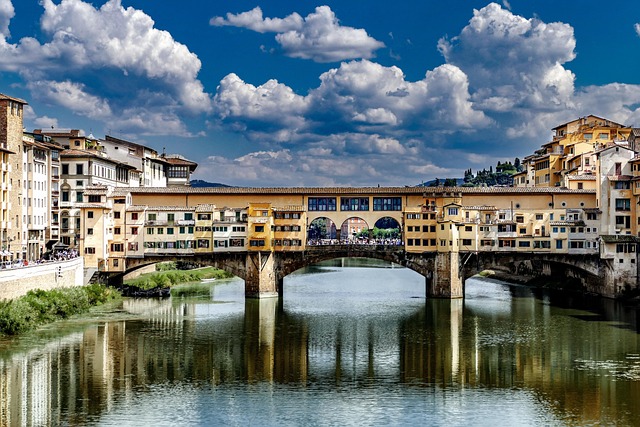
The walk then leads to the Arno River and across Ponte Vecchio, Florence’s most famous bridge. Once lined with butchers and now home to goldsmiths, the bridge connects the medieval city to the Oltrarno district.
This classic Florence walking tour usually lasts around two to three hours and provides a strong foundation for understanding the city.
Florence Walking Tour Focused on Art and the Renaissance
Florence is inseparable from the Renaissance, and walking tours dedicated to art lovers offer deeper insight into how this cultural movement shaped the city.
These itineraries often emphasize the relationship between artists, patrons, and politics. Walking from church to palace, visitors can trace how figures like Michelangelo, Leonardo da Vinci, and Botticelli worked within a competitive and ambitious environment.
Key stops may include churches where original artworks remain in their intended settings, as well as exterior views of important museums. Even without entering every site, walking through Florence with an art-focused lens transforms façades, statues, and courtyards into historical documents.
Art-focused Florence tours are particularly valuable for travelers who want more than surface-level explanations and prefer understanding symbolism, techniques, and historical context.
Hidden Florence Walking Tours: Beyond the Tourist Routes
While Florence’s main attractions are essential, some of the city’s most authentic experiences lie away from crowded streets. Hidden Florence walking tours explore neighborhoods where daily life unfolds more quietly.
The Oltrarno district, located across the Arno River, is a frequent highlight of alternative itineraries. Here, workshops, local cafés, and residential streets reveal a side of Florence that feels lived-in rather than staged.
Walking tours in these areas often focus on traditions such as craftsmanship, food culture, and community life. Visitors might learn about historic artisan guilds, discover lesser-known churches, or explore markets frequented by locals.
For travelers who have already seen Florence’s major sights—or those who want a more intimate experience—hidden walking tours offer a rewarding perspective.
Food and Wine Florence Walking Tours
Florence walking tours centered on food combine sightseeing with tastings, making them especially appealing to travelers interested in local culture through cuisine.
These itineraries typically include stops at bakeries, wine bars, markets, and traditional eateries. Walking between tastings helps balance the experience while providing insight into Florence’s culinary traditions.
Food-focused Florence walking tours often highlight the importance of seasonal ingredients, Tuscan simplicity, and the historical roots of local dishes. They also offer practical knowledge, such as how to recognize authentic establishments and avoid tourist traps.
For many visitors, food walking tours become one of the most memorable parts of their trip.