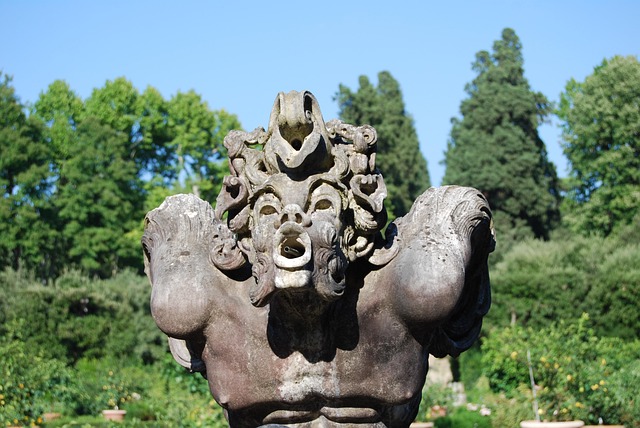
Florence is often celebrated for its Renaissance palaces, world-class museums, and masterpieces by Michelangelo, Leonardo, and Botticelli. Yet beyond the crowded halls of the Uffizi and the striking facades of churches, another side of Florence reveals itself—lush, scenic, and surprisingly serene. The gardens of Florence offer an escape into quiet natural beauty, where manicured hedges, fountains, sculptures, and breathtaking viewpoints come together to create open-air museums.
Among these, the Boboli Gardens stand as the most iconic. But Florence hides many other gardens—secret, intimate, and less visited—that offer new perspectives on the city. Whether you’re seeking artistic grandeur, panoramic viewpoints, or a peaceful space away from the crowds, Florence’s gardens are worth exploring in depth.
This guide will take you on a stroll through the Boboli Gardens and a handful of hidden gems—explaining what to expect, how to visit, and why Florence’s gardens remain some of the city’s most enchanting treasures.
Boboli Gardens: The Open-Air Renaissance Museum
The Boboli Gardens (Giardino di Boboli) are often considered the heart of Florence’s green landscape. Located behind Pitti Palace, they once served as the private gardens of the Medici family and showcase centuries of landscape design, architecture, and sculpture. Today, they are regarded as one of the greatest examples of Italian Renaissance gardens, inspiring similar landscapes throughout Europe.
A Brief History
Commissioned in the 16th century by Eleanor of Toledo, wife of Cosimo I de’ Medici, the Boboli Gardens became a grand statement of power and taste. Over time, various architects and artists—including Niccolò Tribolo, Giorgio Vasari, and Bernardo Buontalenti—contributed to its evolving composition.
The result is a sprawling complex of sculptures, grottoes, fountains, terraces, and tree-lined avenues that blend nature and art seamlessly.
Highlights Inside Boboli
A visit to the Boboli Gardens feels like entering a palace outdoors. The most famous highlights include:
• The Amphitheatre – Near the main entrance, this large oval space evokes ancient Roman arenas and once hosted plays and court festivities.
• The Neptune Fountain– Nicknamed the Fontana del Forcone (Fountain of the Trident), it continues the Medici tradition of incorporating the god of water into monumental scenes.
• Buontalenti Grotto – A whimsical and eerie masterpiece decorated with stalactites, frescoes, and sculptures. It blurs the line between nature and fantasy.
• The Cypress Avenue (Viottolone) – A long, scenic walk leading to the pond and the sculpture of the Ocean. It’s one of the best places to admire symmetrical Renaissance landscaping.
• The Kaffeehaus Terrace – An elegant pavilion from which you can enjoy panoramic views over Florence’s rooftops—one of the garden’s best viewpoints.
How Long Does It Take to Visit the Boboli Gardens?
Expect to spend 2 to 3 hours exploring comfortably. The terrain is hilly, so comfortable shoes are recommended.
When Is the Best Time to Visit?
The Boboli Gardens are wonderful year-round, but the ideal months are April to June and September to early October, when temperatures are mild and vegetation is at its best. Spring also brings blooming flowers, while autumn provides rich foliage colors.
Are the Boboli Gardens Worth Visiting?
Absolutely. They are more than a pleasant green space: the gardens are a central part of Florence’s history and artistic heritage. Visitors who enjoy architecture, sculpture, Renaissance history, or landscape design will find endless inspiration.
Many travelers say that the Boboli Gardens make Florence feel complete—balancing its intense artistic energy with fresh air and peaceful beauty.
What’s the Best Way to Visit the Boboli Gardens?
If Florence’s green sanctuaries have captured your imagination, a private visit to the Boboli Gardens will take the experience even further. Guided by a knowledgeable expert, you’ll discover the stories behind its sculptures, grottoes, and Renaissance terraces while enjoying the tranquility of one of Italy’s most iconic historic parks.
For a curated, immersive experience tailored to your pace and interests, book a private Boboli Gardens tour with Inside Out Italy and uncover the hidden layers of Florence’s most enchanting garden.