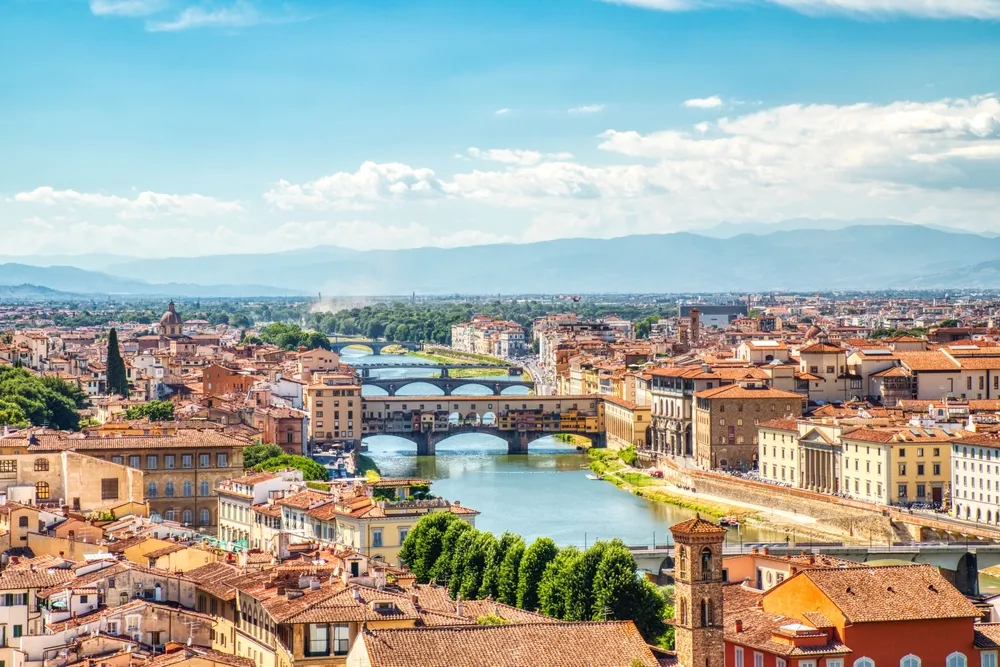
Florence architecture: palaces, churches and symbols of power
The Medici legacy is deeply connected to the architecture of Florence. The buildings they commissioned were not only private residences or religious spaces: they were statements of authority, elegance and ambition.
One of the most important examples is Palazzo Medici Riccardi, the first major Renaissance palace built for the family. Designed by architect Michelozzo, the palace introduced a new architectural style based on balance, simplicity and classical inspiration. Its famous courtyard became a model for Renaissance architecture and influenced the design of many other Florentine buildings.
Another essential place to discover the Medici influence is the Basilica of San Lorenzo. Considered the family’s private church, it was renovated with the support of Cosimo de’ Medici and became one of the most important Renaissance buildings in Florence. Inside, you can admire works connected to some of the greatest artists of the period, including Michelangelo’s famous Medici Chapels.
The Medici Chapels are among the most visited attractions in Florence because they combine architecture, sculpture and history. Created as a monumental burial place for members of the dynasty, they represent the family’s desire to leave a lasting mark on the city.
Another iconic symbol of Medici power is the Palazzo Vecchio, located in Piazza della Signoria. Although it was originally built as the seat of Florence’s government, the Medici transformed it into a residence and political center when they gained control of the city.
The Medici influence on Florence’s art and culture
The impact of the Medici family goes far beyond individual buildings. They helped create an environment where artists and thinkers could thrive. Their collections became the foundation of some of the world’s most important museums, including the Uffizi Gallery, which today houses masterpieces by Botticelli, Michelangelo, Raphael and Caravaggio.
The Uffizi itself was connected to the Medici family’s vision. Originally designed as administrative offices by Giorgio Vasari for Cosimo I de’ Medici, the building later became one of the greatest art galleries in the world.
The family also played a major role in the development of Florence’s public spaces. Their projects transformed the city into a place where architecture and urban design reflected cultural ambition. Even today, visitors can see how the Medici shaped the identity of Florence through streets, squares and monuments.
What places show the Medici legacy in Florence?
If you want to discover the Medici history in Florence, several locations are essential stops during your visit. Among the most significant are:
- Palazzo Medici Riccardi, the family’s first Renaissance palace.
- San Lorenzo Basilica and the Medici Chapels, where many members of the dynasty are buried.
- Palazzo Vecchio, a symbol of Medici political power.
- Uffizi Gallery, home to one of the most important Renaissance art collections.
- Pitti Palace and Boboli Gardens, later residences that represent the wealth and influence of the Medici court.
Each place tells a different part of the story, from the family’s rise as bankers to their transformation into one of Europe’s most influential dynasties.
Why is the Medici legacy still important today?
The story of the Medici is not only about wealth and power. It is also about how culture can transform a city. Their decision to support artists, architects and scholars created a legacy that continues to attract millions of visitors to Florence every year.
The Renaissance masterpieces they helped create changed the history of Western art, while the buildings they commissioned continue to define the city’s unique atmosphere. Walking through Florence today means following the footsteps of a family that understood the importance of beauty, knowledge and innovation.
Discovering the Medici legacy allows you to see Florence from a different perspective. Behind every palace, sculpture and painting, there is a story of ambition, creativity and vision.
Discover the Medici legacy with a Florence guided tour
To fully understand the connection between the Medici family, Renaissance art and Florence’s architecture, a guided experience can help you uncover hidden stories and fascinating details that are easy to miss while exploring on your own. With an expert guide, you can visit the city’s most iconic landmarks and discover how the Medici shaped Florence’s history.
Book your Florence tour with Inside Out Italy and explore the artistic treasures, historic streets and architectural wonders that reveal the extraordinary legacy of this legendary dynasty.