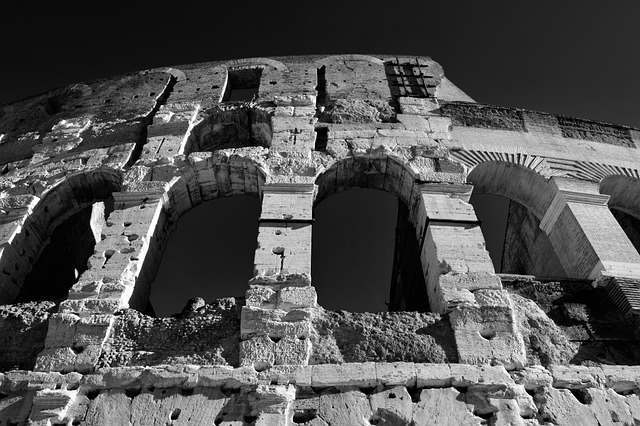
The Colosseum is more than just a landmark in Rome; it is a symbol of the city’s rich history and architectural ingenuity. Over nearly two millennia, this iconic amphitheater has witnessed incredible changes, from gladiatorial games to its modern-day role as a must-see tourist attraction. Let’s explore the evolution of the Colosseum and how it has transformed through the ages.
Origins of the Colosseum: The Vision of Imperial Rome
Construction of the Colosseum began under Emperor Vespasian in AD 72 and was completed in AD 80 under his successor, Titus. Originally named the Flavian Amphitheatre, it was designed to host grand spectacles, including gladiator fights, animal hunts, and mock naval battles. The Colosseum could hold up to 50,000 spectators, making it the largest amphitheater of the ancient world.
Roman engineers used advanced techniques for the time, including concrete and a complex system of vaults, which allowed for the massive structure to stand the test of time. Its strategic design ensured smooth crowd movement, seating arrangements according to social hierarchy, and efficient stage mechanics for elaborate shows.
The Colosseum in the Middle Ages: Transformation and Decline
After the fall of the Roman Empire, the Colosseum underwent significant changes. It was no longer used for games and gradually fell into disrepair. Earthquakes, stone looting, and neglect caused parts of the structure to collapse. During the medieval period, the Colosseum was repurposed for a variety of functions, including housing, workshops, and even as a fortress.
Despite these challenges, the Colosseum remained a powerful symbol of Rome’s grandeur. Artists and historians continued to document its magnificence, preserving its legacy for future generations.
Renaissance to 19th Century: Preservation Efforts Begin
By the Renaissance, interest in preserving ancient monuments grew. Popes and architects started to protect the Colosseum from further deterioration. Stones were removed for new construction, but key restorations were initiated to stabilize the structure.
During this era, travelers from across Europe visited Rome to witness the Colosseum firsthand, marking the beginning of its status as a must-see historical site. This laid the foundation for the tourism-driven era we see today, where guided tours and skip the line tickets allow millions of visitors to experience the amphitheater efficiently.
Modern Era: The Colosseum as a Cultural and Tourist Icon
Today, the Colosseum is one of the most visited monuments in the world. Modern restoration projects focus on both structural preservation and enhancing visitor experience. Innovative solutions like skip the line passes, guided tours, and interactive exhibits allow tourists to explore the amphitheater without long waits while learning about its fascinating history.
The Colosseum has also become a symbol of cultural events and global recognition. Light shows, temporary exhibitions, and historical reenactments bring the ancient structure to life, connecting the past with the present in unique ways.